
Event Filming in London: How to Plan Video Coverage That Works
Last updated: April 27, 2026
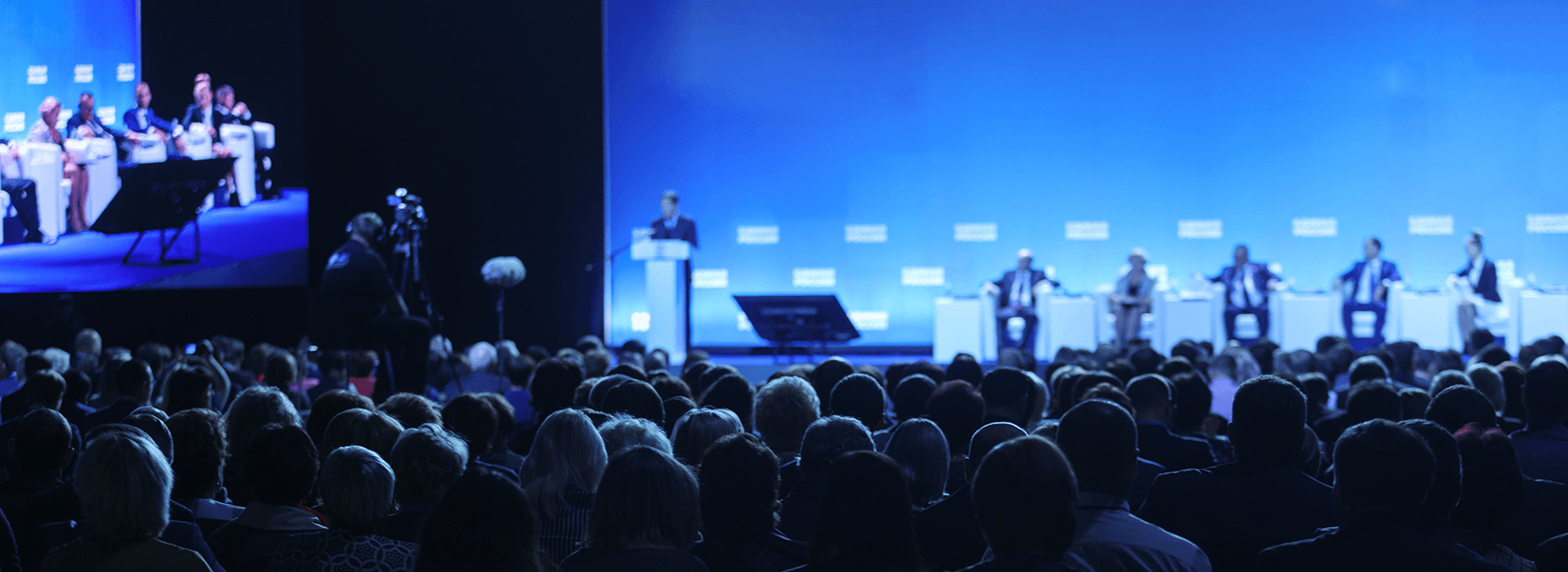
A lot of event videos disappoint in a strangely familiar way.
The event itself felt strong. The room had energy. The talks landed. People were engaged. Then the finished video arrives and it feels flatter than the day ever did. It proves the event happened, but not why it mattered. The best conversations are missing. The audience questions make no sense in the edit. The interviews sound careful rather than real. The footage looks polished enough, yet it doesn't quite earn trust.
That usually isn't a camera problem.
It is a planning problem.
This guide is for businesses, marketers, and event teams who want to make better decisions before filming begins. Not just which crew to book, but what the footage is there to do, what kind of proof it needs to capture, how the venue will affect the result, and how the material should keep working once the room is empty.
Explore this guide
If there’s one section to start with, begin with First decide what the footage is actually there to do. Most event videos underperform because that decision is left too late.
If you get only a few things right, get these right:
decide the main job of the footage before discussing deliverables
treat venue choice as a filming decision, not only an events decision
protect sound early, especially for Q&A and interviews
plan interviews in advance and vet who should actually be on camera
agree archive ownership and handover before the event day
First decide what the footage is actually there to do
One of the most common mistakes in event filming is trying to make one shoot serve every possible purpose without choosing a clear priority.
A team may want a highlight reel, full session recordings, some social clips, a few client interviews, and a bank of future brand footage. None of that is unreasonable. The problem starts when all of it is bundled into one vague brief and no one decides what matters most.
A better question is this:
What should someone understand, believe, or do after watching this footage?
That question makes the rest of the planning much easier. A simple way to think about it is this:
| If the footage mainly needs to do this | What you need to prioritise on the day | What usually goes wrong if you do not |
|---|---|---|
| Sell the value of the event | atmosphere, reactions, story, momentum | the recap looks busy but says very little |
| Preserve talks or panels | continuity, clean audio, readable slides, watchable edits | the sessions exist, but few people want to watch them |
| Build trust with clients, sponsors, or stakeholders | credible speakers, audience response, specific proof, good interview choices | the film feels generic and over-managed |
| Create a reusable content library | interviews, b-roll variety, metadata, multiple framing options | useful footage gets captured but effectively lost |
Most businesses want more than one of those outcomes, but one of them is usually the real priority. Once that becomes clear, the rest of the decisions tend to sharpen with it. If that early thinking still feels fuzzy, it usually helps to spend more time working out what actually needs to be filmed before cameras, schedules, and deliverables start multiplying.
Why live event footage may matter more as AI content grows
It would be too absolute to say live event video will automatically outperform AI-generated content.
No one can know that with certainty, and not all AI-assisted content is weak or untrustworthy.
But as more brands experiment with AI-assisted content, live event footage may gain value for a simple reason. It captures unrehearsed human behaviour in a shared space. That includes hesitation, warmth, disagreement, humour, curiosity, relief, and the small details that make people feel present rather than manufactured.
That matters because trust is not only damaged by poor production. It is also damaged when content feels over-managed, too polished to believe, or disconnected from real proof. Very often, the issue is not visual polish at all, but what the viewer is actually meant to take away once the film is over.
If your brand already has a room full of real people, real clients, real speakers, and real reactions, that is a rare opportunity. A strong event film doesn't need to feel rough to feel authentic. It just needs to preserve enough human truth that the audience believes it.
Venue decisions are filming decisions
Venue choice changes the footage before filming starts.
That is not only about how a room looks. It is also about how it behaves.
A venue affects:
how easily people move and mix
whether networking energy holds together or gets split apart
whether interviews can happen away from noise spill
whether speakers are lit well enough to look credible on camera
whether the event feels coherent in person and in the edit
Floor layout is a good example. If networking, talks, and breakout activity are awkwardly spread across different floors, the event can lose momentum. People fragment. Conversations become harder to catch. Interview opportunities disappear because the right person is suddenly somewhere else. That might be manageable at a longer multi-day event, but on a compact one-day programme it can quietly weaken both the attendee experience and the footage.
Lighting matters in a similarly practical way. Some venues are designed to host people, not to film them. A basement room in a hotel may be perfectly workable for a meeting and still produce underlit, flat-looking speaker footage. By contrast, a venue with more thoughtful stage lighting, natural light, or a stronger visual atmosphere can improve both the room and the final edit.
There is also an emotional layer that is easy to underestimate. A warehouse, a high-rise with London views, a gallery space, or a more traditional conference venue each creates a different feeling before anyone speaks. That feeling changes behaviour, networking tone, and what the footage communicates afterwards. A lot of these decisions become clearer once you start thinking more carefully about what makes a venue work well on camera, not just what looks interesting on paper.
The more practical questions usually sit just beneath the surface. This includes acoustics, lighting, quiet interview spaces, hybrid readiness, and how easily a crew can work in the room without getting in the way.
Sound is not a technical extra
Poor audio is one of the quickest ways to make event footage feel weaker than the event really was.
Viewers rarely explain exactly what went wrong. They just stop listening.
That is why sound should be treated as part of the event experience, not only the filming setup. Your attendees need to hear properly, and your future viewers do too.
A few audio problems come up repeatedly, and most of them are preventable:
| Common audio mistake | What it affects | Practical fix |
|---|---|---|
| no audience mic during Q&A | live clarity and recorded context | use a handheld mic or have the speaker repeat each question |
| interviews placed near catering or networking noise | credibility and intelligibility | reserve a quieter room or protected interview corner |
| assuming the venue PA equals good recorded sound | final session quality | confirm the desk feed and record backup audio |
| treating audio as a late technical matter | everything downstream | discuss sound during venue and schedule planning |
The Q&A issue is especially common. Audience members ask a question without a handheld microphone, people in the room only half-hear it, and the recording later becomes frustrating because the answer is clear but the question is not.
The obvious fix is to provide a microphone.
If budgets or logistics are tight and that is not possible, a simple fallback helps a lot: brief the speakers to repeat each question on stage before answering it. That serves the room and the recording at the same time.
Interviews and testimonials need planning, not hope
Events can be one of the best opportunities to capture useful client, partner, or speaker interviews.
You already have people in one place. The event has energy. The context is live. The stories are fresh.
That does not mean good interview footage happens automatically.
Two things usually matter most.
The first is environment. If there is no quiet room, no protected corner, no time in the schedule, and no one coordinating who goes where, the interviews tend to become rushed or abandoned. This is one of the reasons it helps to think carefully about the kind of venue that actually supports filming well, especially when interview practicality matters as much as the atmosphere in the room.
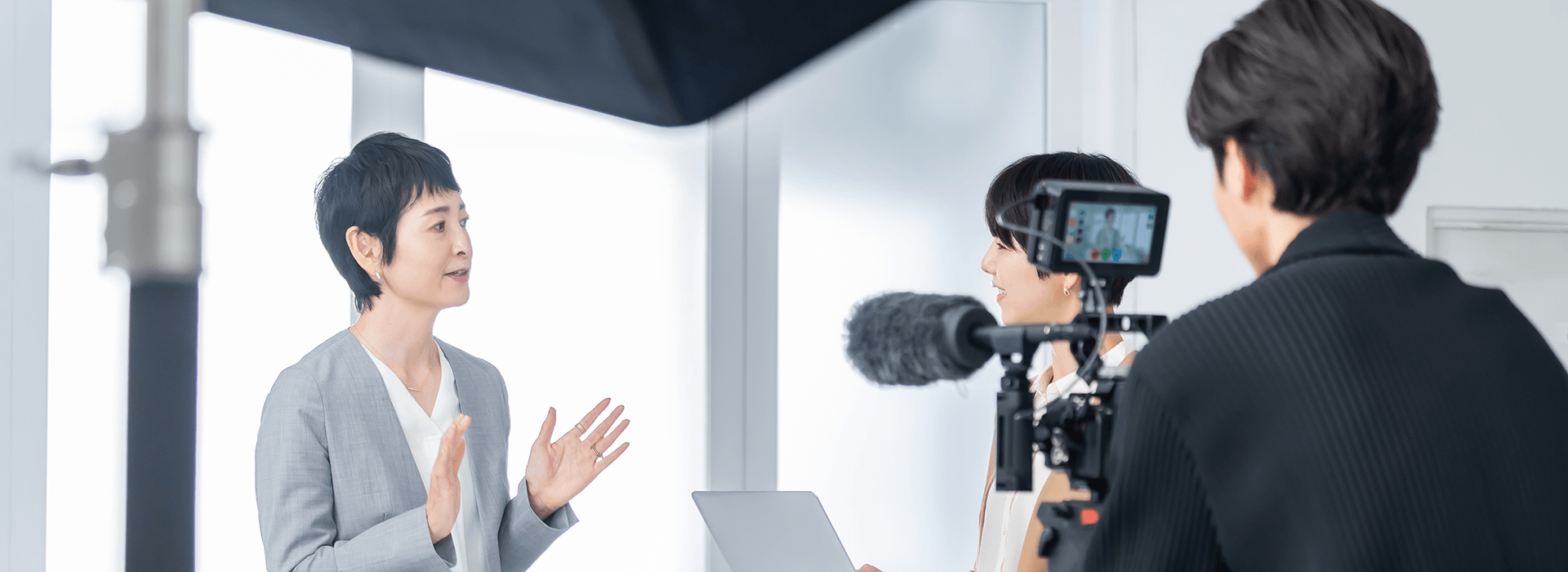
A dedicated interview setup makes it much easier to capture usable testimonials, speaker clips, and post-event content.
The second is participant judgement. Not every important attendee is the right person to put on camera. Someone may be senior, visible, or closely involved and still not be a good interview choice. They may be guarded, short on time, or privately unhappy with the product or event. That is why some light vetting beforehand matters. It is not about scripting people into brand messaging. It is about not discovering too late that the wrong person has been put in front of the lens.
The same is true of questioning.
That matters not only because the interviews improve, but because one well-planned event can produce far more useful material than most teams expect. If part of the goal is capturing testimonials and b-roll that can still be used to promote the event afterwards, those opportunities usually need to be planned before the day starts rather than noticed too late on site.
When this is planned properly, the day can generate assets like these:
| Asset type | What it is useful for | Why it is worth planning in advance |
|---|---|---|
| Full session recordings | Internal sharing, on-demand viewing, and preserving talks that still have value after the event | They need stronger audio, cleaner continuity, and a clearer plan than a simple highlights edit |
| Client testimonials | Building trust through first-hand experience and credible brand proof | They usually work best when a quiet room, the right participants, and enough time have been arranged in advance |
| Short attendee interviews | Social clips, audience reaction, and showing the event felt worthwhile to the people in the room | They are easier to capture naturally when someone is coordinating who to speak to and when |
| Staff or exhibitor interviews | Explaining what was being shown, what conversations mattered, and how the event supported the wider brand presence | They are often missed unless the filming plan includes time away from the busiest parts of the day |
| Behind-the-scenes footage | Showing the scale, care, and atmosphere behind the event rather than only the polished front-facing moments | It adds human texture, but only if there is permission and enough access to capture it without disrupting the event |
| Short-form cutdowns | LinkedIn, email follow-up, internal updates, and post-event promotion | They are much easier to produce when interviews, framing, and key moments are captured with multiple uses in mind |
This is often where clarity matters most, especially when the footage needs to make sense without sounding over-scripted.
Choose the right coverage model for the event you really have
Another common planning error is assuming the best setup is always the most comprehensive one.
Sometimes it is.
Sometimes it is just more complex than the event needs.
The right choice depends on the actual outcome you care about.
a short recap film needs energy, rhythm, and enough story to explain the day
a session recording needs continuity, audio clarity, and edits people can sit with
a live stream needs reliable workflow, platform thinking, and contingency planning
a content-library approach needs variety, structure, and a better handover system
Those choices become much easier to make once you separate coverage from output. In practice, many teams are not really choosing between filming options. They are choosing between use cases, and often between a highlight film or full session recording depending on what needs to stay useful afterwards.
When the event is broader in scope, filming is often doing more than documenting speakers. It is also about capturing the shape and energy of a larger live business event, especially when the event itself is part of the brand experience rather than just the setting for a few talks.
If remote access is part of the brief, the decision changes again. At that point, you are not only deciding what should be captured, but also what live delivery really adds and how much complexity the event genuinely justifies.
Plan the archive before you shoot
Repurposing is often spoken about as though it begins in the edit.
It usually begins in the brief.
If the footage is meant to keep working after the event, then the day needs to be shot with later use in mind. That means planning interview slots, capturing useful cutaways, thinking about short-form crops, getting clear speaker identification, and agreeing what the handover will actually look like.
A lot of event footage loses value quietly rather than dramatically.
Nothing is obviously wrong with it. It is just badly housed, poorly named, hard to search, or sitting with the wrong party. That is why archive responsibility is worth deciding early. In many cases, it makes sense for the client to hold the archive, or at least to agree on a clear handover and storage arrangement early.
A practical archive plan should cover:
who owns the master footage
where it will be stored
how folders and files will be named
whether the client receives selects, all usable rushes, or both
what rights apply to future internal or external reuse
That is one of the clearest ways to turn event filming from a one-off output into an asset, especially when you are thinking about turning one event into material that keeps working afterwards rather than treating the final edit as the end of the process.
Some London practicalities are easier to solve early
Certain filming decisions become more demanding than they first appear.
That matters when you want:
exterior arrival shots
branded walk-and-talk pieces
street-level establishing shots
filming in spaces that appear public but are privately managed
It also matters because access windows, loading, setup time, and connectivity can all be tighter than they look on paper. That is one reason London event planning benefits from realism early on.
If the filming brief also includes arrival shots, exterior sequences, or any footage beyond the venue itself, the practical picture changes again. In those cases, filming outdoors or in public-facing London spaces is not always as straightforward as it first appears, especially where permissions, managed locations, or access constraints come into play.
A small but important planning detail: look after the crew
This is not the core of the subject, but it is still worth saying.
Events often run long. Access starts early. Breaks move. Energy dips.
If you want a production team to stay alert, responsive, and easy to work with throughout the day, it helps to plan basic care well. That can include clear schedules, protected breaks where possible, and making sure people involved in the production are fed. It is not a glamorous point, but it often shows up in the smoothness of the day.
Frequently asked questions
How far in advance should event filming be planned?
Earlier than most teams think. Once filming is part of the brief early enough, it becomes much easier to shape coverage, interview opportunities, sound, schedule, and venue use properly. Left too late, the footage often becomes a record of what happened rather than a planned asset.
What is the biggest mistake businesses make with event Q&A?
Letting audience questions happen without a microphone or without any fallback plan. It weakens the live experience and makes the recorded version harder to follow. If a handheld mic is not realistic, speakers should be briefed to repeat each question before answering it.
How do you choose the right people for on-site interviews?
Start with people who are credible, comfortable, and able to speak with genuine conviction. Not every visible attendee is a good on-camera choice. A quick sense check beforehand often saves awkward or unconvincing interviews later.
Should the client or the production company keep the archive footage?
In many cases, it is safer for the client to hold the archive or at least define a clear handover arrangement. Useful footage often loses value not because it was badly shot, but because no one planned who would store it, organise it, and retrieve it later.
How long does the final event film usually need to be?
Shorter than most teams expect. A 90-second to 2-minute recap is often more useful for distribution than a longer overview, especially for social and sales follow-up. Where a longer cut is needed, it usually works better as a separate edit shaped around speaker content or partner takeaways, rather than trying to make one film carry every job.
What can be done if the filming budget feels tight?
The most useful starting point is being honest about which moments matter most. A smaller crew filming the right things will produce more usable material than a larger crew spread thinly across the day. Cutting coverage scope is usually less damaging than cutting interview prep, sound, or post-production time. Strong planning before the shoot tends to protect quality more reliably than spending more on the day.
Final thought
The strongest event videos are rarely the ones that simply captured the most footage.
They are usually the ones where someone asked the right questions early enough.
What does this footage need to prove?
Who actually needs to be on camera?
Will the room help or hurt the final result?
Can the audience hear the Q&A properly?
Will this material still be useful in six months, or only impressive for two days?
That is the level of thinking that usually separates useful event footage from forgettable event footage.
Planning an event in London?
If you've got an event coming up and want a production-aware view on venue choice, audio setup, interview planning, or how to make the footage keep working afterwards, we can help. We offer event filming as part of our services.
Book a free consultation or email info@devilboyproductions.com with the event date and we'll come back to you within a working day.
What to read next
The most useful next step usually depends on where the planning starts to feel less clear. Sometimes it is the venue. Sometimes it is the structure of the footage, the clarity of the final edit, or how much value the event should keep creating afterwards. These are the most useful next reads from this topic area.
| Article | Best for | Who it suits |
|---|---|---|
|
|
Understanding how elevated viewpoints and skyline backdrops can enhance event filming and create more visually distinctive footage | Teams planning London events who want cinematic city context, stronger establishing shots, or more visually engaging interview settings |
| Understanding what changes when filming extends beyond the venue into outdoor or public-facing London spaces | Teams planning arrival shots, street-level sequences, or filming in places that may involve permissions or managed access | |
| Thinking more clearly about venue fit, attendee flow, interview practicality, acoustics, lighting, and the overall filming experience | Teams choosing a London venue and wanting the space to support both the event itself and the quality of the final footage | |
| Making sure event footage explains itself clearly and does not rely on extra context to make sense | Marketing and event teams who want the final edit to feel purposeful, believable, and easy to follow | |
| Looking at how filming can help capture the shape, energy, and wider experience of a larger live business event | Teams planning broader business events where the filming needs to support more than stage content alone | |
| Planning interviews, testimonials, and b-roll that can support future marketing rather than disappearing after the event | Teams who want to leave the day with more than a recap edit and build a more useful bank of post-event material |
Previous
Previous
What Makes Business Video Feel Credible and Trustworthy
Next
Next