How to Make a Promotional Video That Actually Works in London
Last updated: April 27, 2026
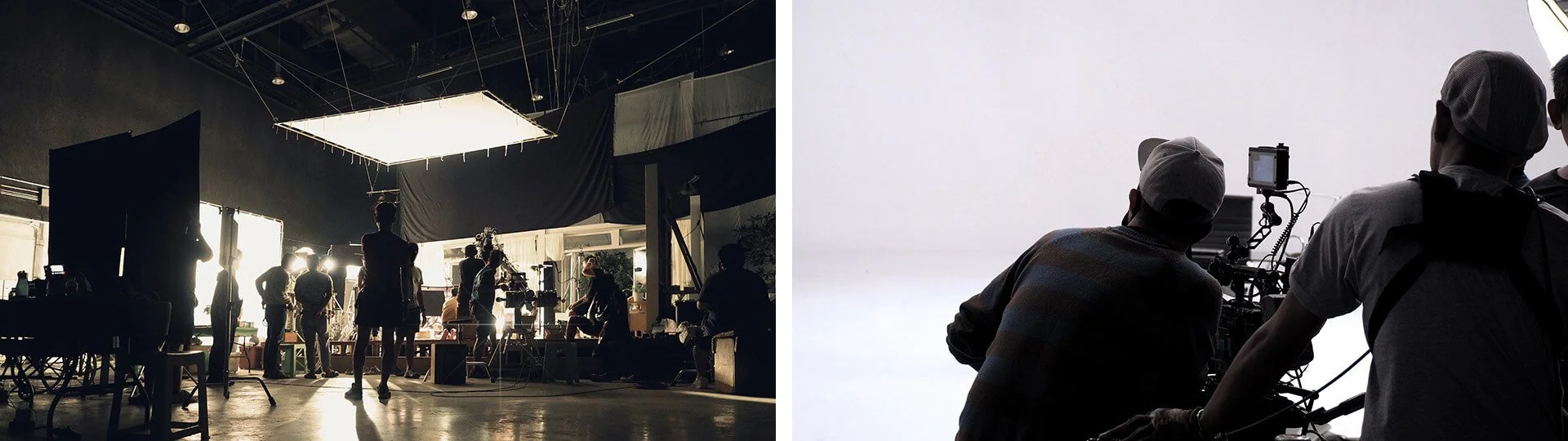
A lot of promotional videos do not fail because the production was poor. They fail because the brief was trying to solve too many problems at once.
That usually starts with a list that sounds reasonable enough. Introduce the business. Show the team. Explain the offer. Make it polished. Keep it human. Use it on the website, on LinkedIn, in sales emails, and maybe at events as well. The trouble is that once a video is asked to do all of that at once, it usually stops doing any one thing particularly well.
That broader problem sits inside a bigger strategic question about what business video is actually there to do, which is why this issue makes more sense when viewed through business video distribution and creative strategy rather than as a scripting or filming problem alone.
What comes back may still look professional, but the result often feels broad, careful, and forgettable. The opening takes too long. The message stays vague. The people on screen sound approved rather than convincing. Nothing is obviously broken, but very little lands.
A promotional video works best when it does one commercial job clearly. It should help the right viewer understand why this business matters, why the offer is relevant, and what to do next. If it tries to cover every stage of the journey in one cut, it usually becomes less persuasive, not more.
Explore this guide
If there's one section to start with, begin with Start with one clear job. Most promotional videos underperform because they were never given one.
Why most promotional videos underperform
Most businesses do not get promotional video wrong because they lack good intentions. They get it wrong because too many intentions are being pushed into one piece.
That creates a pattern that shows up often in real projects:
more stakeholders add must-have messages
the script becomes broader and safer
the first cut starts serving several audiences at once
the ending has to do a heavier sales job than the rest of the video has earned
A promotional video is not the same thing as a full company overview, a detailed explainer, a brand film, a recruitment piece, or a customer case study. It usually sits closer to the moment of interest. Its job is to create relevance, build enough trust, and move someone one step forward.
That is why the strongest promo videos often feel narrower than clients first expect. They land one message properly and stop before they begin carrying material that belongs somewhere else.
Start with one clear job
Before anyone starts talking about shots, script, runtime, or music, the most important thing is to decide what this video is actually meant to change.
A better question than “What do we want to say?” is this:
What should be easier for the right viewer after watching?
That answer needs to be specific. For example, the viewer might need to:
understand what your service actually helps with
see why your offer is different from similar alternatives
feel more confident that your team can solve a problem like theirs
be ready to take a next step such as booking a call or making an enquiry
Those are not the same objective. They lead to different creative choices, different proof, and different structure.
A lot of weak promo videos struggle because they are trying to support awareness, consideration, and conversion all in the same cut. That usually leads to a generic opening, a crowded middle, and a call to action that feels disconnected from the rest of the video.
A better starting point is to lock three decisions early:
Who is this really for?
What one point needs to become clearer?
What next step would count as success?
If those answers are still vague, the production quality will not rescue the result.
Make the message believable
Once the job of the video is clear, the next question is not “How do we make this look impressive?” It is “Why should anyone believe this?”
This is where many promotional videos become too abstract. They make claims about quality, care, expertise, results, or innovation without giving the viewer enough reason to trust those claims.
Start with a problem the viewer already recognises
A promotional video often gets stronger when it starts closer to the friction the audience already feels. That usually means opening with something recognisable:
a problem they already deal with
a frustration they already feel
a risk they are trying to avoid
a result they are struggling to achieve
What tends to work less well is a long company introduction before the relevance is clear. The opening does not need to be dramatic, but it does need to make the relevance clear early.
Show what changes, not just what you offer
This is the point where many businesses reach for features when they really need evidence.
The viewer usually needs to see one or more of the following:
a real person explaining the issue in concrete language
a process that makes the promise believable
a before-and-after shift that feels specific
details that show this is happening in the real world, not just inside polished marketing language
That proof can come from different places, but the key is that it fits the promise. If the message is simplicity, the video should feel clear. If the message is trust, trust cannot come only from polished visuals. If the message is speed, the structure should not take too long to reach anything concrete.
This is also where many promo videos wobble in review rounds. Stakeholders often ask for more messages when what the film really needs is better proof.
| If the video does this… | It often feels like… | A stronger approach is… |
|---|---|---|
| opens with a broad company introduction | scene-setting before relevance is clear | start with the problem, friction, or need the viewer already recognises |
| lists features without evidence | marketing claims the viewer is asked to accept on trust | show proof through process, specificity, or grounded examples |
| uses polished visuals to carry the message | impressive but generic | make the visuals support a clear point rather than replace it |
| scripts every line too tightly | approved rather than believable | use direction that keeps language natural and specific |
| ends with a hard sell too early | a bigger ask than the video has earned | match the next step to the level of trust already built |
Match the call to action to the level of trust you’ve earned
A lot of promotional videos become awkward at the end because the call to action is trying to do a different job from the rest of the piece.
If the video is early-stage, the next step may simply be to learn more. If the viewer is already warm, the ask can be more direct. What weakens the ending is when the film has only just introduced the business, but the call to action behaves as if every objection has already been resolved.
Turn the idea into a brief the production team can actually use
A surprising number of promo videos go soft because the brief was never precise enough to support sharp decisions.
Words such as “premium”, “authentic”, “engaging”, and “punchy” are not useless, but they are too vague on their own. They do not tell a production team what matters most.
Before filming, the brief should define:
the audience
the primary job of the video
the main message
the main proof source
where the video will be used first
the action you want the viewer to take
the moments that must be captured
the tone that should feel right, and the tone that should feel wrong
Here is a simple way to tighten broad language into usable decisions:
| If the brief says… | Make it clearer by deciding… | Why it matters |
|---|---|---|
| Make it punchy | The opening should make sense without any prior context | This affects structure, first lines, and shot choice |
| Make it premium | It should feel confident and credible, not glossy or over-produced | This affects performance, music, locations, and edit style |
| Explain everything we do | Land one core offer clearly for one type of viewer | This keeps the message focused |
| We can use one version everywhere | The main cut is for the website or priority channel, with adaptations planned separately | This avoids forcing one edit to do conflicting jobs |
| Use our key messages | Prioritise one promise, one proof line, and one next step | This reduces clutter and repetition |
A stronger brief makes review rounds easier as well. It becomes much simpler to judge whether a line, scene, or visual is helping the video do its job, or simply making the cut busier.
That planning also affects how the finished asset will be named once it goes live. If nobody has decided what the video should realistically be found for or how the audience will first encounter it, weaker video title choices tend to follow.
Why polished still isn’t persuasive
One of the quieter problems in business video is that polish can start hiding the useful parts.
That tends to happen when:
people on screen sound scripted rather than credible
generic visuals are used to cover a lack of real proof
music is pushing emotion the message has not earned
the final film feels so managed that the viewer stops trusting it
The issue is not whether the video looks professional. It is whether it feels believable. Someone who is slightly less polished but much more specific will usually be more persuasive than someone delivering perfect but generic lines.
How long should a promotional video be?
There is no single runtime that makes a promotional video work. The better question is how much attention the viewer is likely to give this message in the context where they find it.
A useful test is this:
if the proof appears late, the video is probably too long
if the opening takes too long to establish relevance, it needs tightening
if the video still works after cutting twenty percent, it was probably carrying too much
if the viewer genuinely needs more depth, that may be a sign that the answer is a different video, not a longer promo
A promo video does not need to answer everything. It needs to do enough to move the right viewer forward.
A final check before you sign off
Before filming begins, you should be able to answer these questions clearly:
Who is this really for?
What one thing should be clearer after watching?
What does the viewer need to believe?
What proof will make that belief feel earned?
Where will this be seen first?
What should happen next if it works?
What absolutely has to be captured on the filming day?
What should the finished video avoid feeling like?
If those answers are weak, the risk is not only a weaker video. It also means wasted time in scripting, filming, feedback, and editing because the central decision was never made properly in the first place.
A promotional video that actually works is rarely the one with the most ingredients. It is usually the one with the clearest job, the strongest proof, and the most proportionate next step.