Case Study and Testimonial Video Strategy: What Builds Real Trust
Last updated: April 27, 2026
A lot of teams say they want a testimonial video when what they actually need is stronger customer proof. That distinction matters because a filmed customer quote is not automatically persuasive, a polished interview is not automatically credible, and even a well-made case study or testimonial video can fall flat if it never gets beyond broad praise, safe wording, or generic brand language.
The most useful customer-led videos do more than show satisfaction. They help a viewer understand what changed, why it mattered, and why the story feels believable. That is what gives this content its value, especially in marketing and sales environments where trust is harder to earn and easy claims carry less weight.
The point is not to capture praise for its own sake. The point is to shape proof that another buyer, stakeholder, or decision-maker can actually trust.
Explore this guide
If there's one section to start with, begin with What makes customer proof believable on camera. A lot of case study and testimonial content underperforms not because the filming is weak, but because the proof stays too broad, too managed, or too detached from real customer experience.
What case study and testimonial videos actually are
Case study videos and testimonial videos belong to the same wider category. They are both forms of customer proof built around real experience, real voices, and interview-led storytelling. But they are not always doing the same job.
A testimonial video is usually tighter and more direct. It often focuses on confidence, satisfaction, ease of working together, or a clear expression of trust. It can be short, flexible, and useful across service pages, landing pages, proposals, paid campaigns, or sales follow-up.
A case study video usually carries more narrative weight. It tends to move through a challenge, a decision, an experience, and a result. That extra context makes it more useful when the offer is more involved, the buying journey is longer, or the viewer needs stronger evidence before moving forward.
In practice, many strong customer videos contain elements of both. The important thing is not to become rigid about labels. It is to be clear about what the content needs to help the viewer believe.
| Format | What it usually helps prove | Where it is often strongest |
|---|---|---|
| testimonial video | confidence, satisfaction, trust, ease of working together | service pages, sales follow-up, paid campaigns, social cutdowns, landing pages |
| case study video | change, outcome, decision logic, delivery quality, credibility through context | B2B marketing, proposals, demand generation, higher-consideration buyer journeys, website proof sections |
| documentary-style customer story | depth, realism, lived experience, narrative credibility | flagship proof content, brand storytelling, campaign assets, higher-value audience engagement |
Praise is not proof
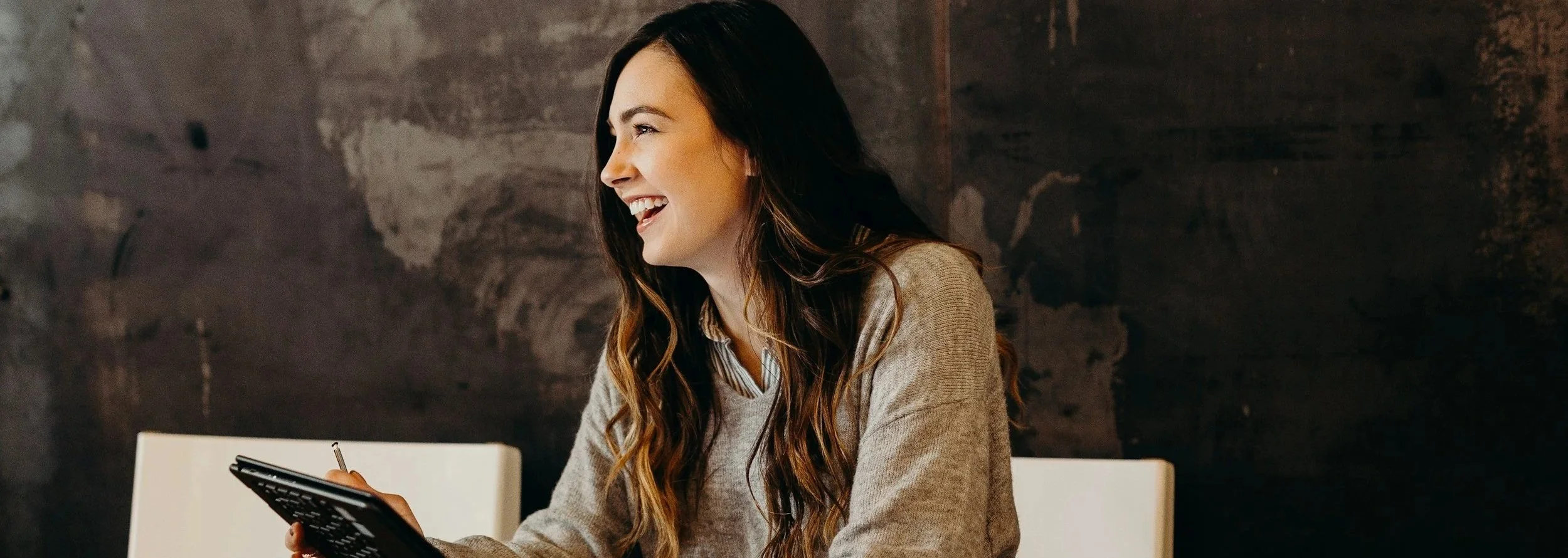
Strong customer proof usually comes from relaxed, natural conversation rather than over-managed answers.
Praise is helpful. Proof is persuasive.
A customer saying they were pleased with the experience can support a message, but it rarely carries enough weight on its own. Stronger proof usually shows what changed, why it mattered, what the process felt like, or what made the outcome believable in real conditions.
That is why many customer videos underperform. They are shaped around approval instead of evidence. The result may be positive, but it does not give the next viewer much to work with.
The stronger question is not, “Can we get the customer to say something good?” It is, “Can we capture something another buyer would find genuinely useful?”
That usually means the material needs:
a recognisable challenge
a clear decision point
a specific change
detail that sounds lived rather than borrowed
a speaker who sounds like they own the words
Why customer proof matters in marketing and sales
Most businesses can explain what they do. The harder part is helping the right viewer believe those claims in a way that feels grounded rather than asserted.
That is why customer proof matters.
Case study and testimonial videos reduce the distance between a brand message and a buyer’s judgement. They help a prospect move from hearing a claim to seeing how that claim holds up in a real scenario. That matters across the buyer journey, from early attention to sales conversations, proposals, and internal stakeholder confidence.
This is a large part of why case study videos still matter. They do not just decorate a message. They help a message hold up under scrutiny.
There is a second advantage too. When a customer story is planned properly, it often has value beyond the commissioning brand. If the featured client is also comfortable sharing it, the content becomes more useful for both sides. That is usually a good sign that the story has been handled clearly and fairly.
| If the audience needs this | The video usually needs to do this | What that means strategically |
|---|---|---|
| basic reassurance | show confidence, trust, and a believable customer voice | a concise testimonial may be enough if the offer is already understood |
| proof that the solution works in real conditions | show challenge, decision, experience, and outcome | a fuller case study is usually more useful than a simple endorsement |
| help understanding a more complex service | add context without losing clarity | structure and editorial judgement matter as much as production quality |
| confidence to move forward | remove doubt and make the proof feel transferable | the story needs to feel relevant, not just positive |
Testimonial video vs case study video
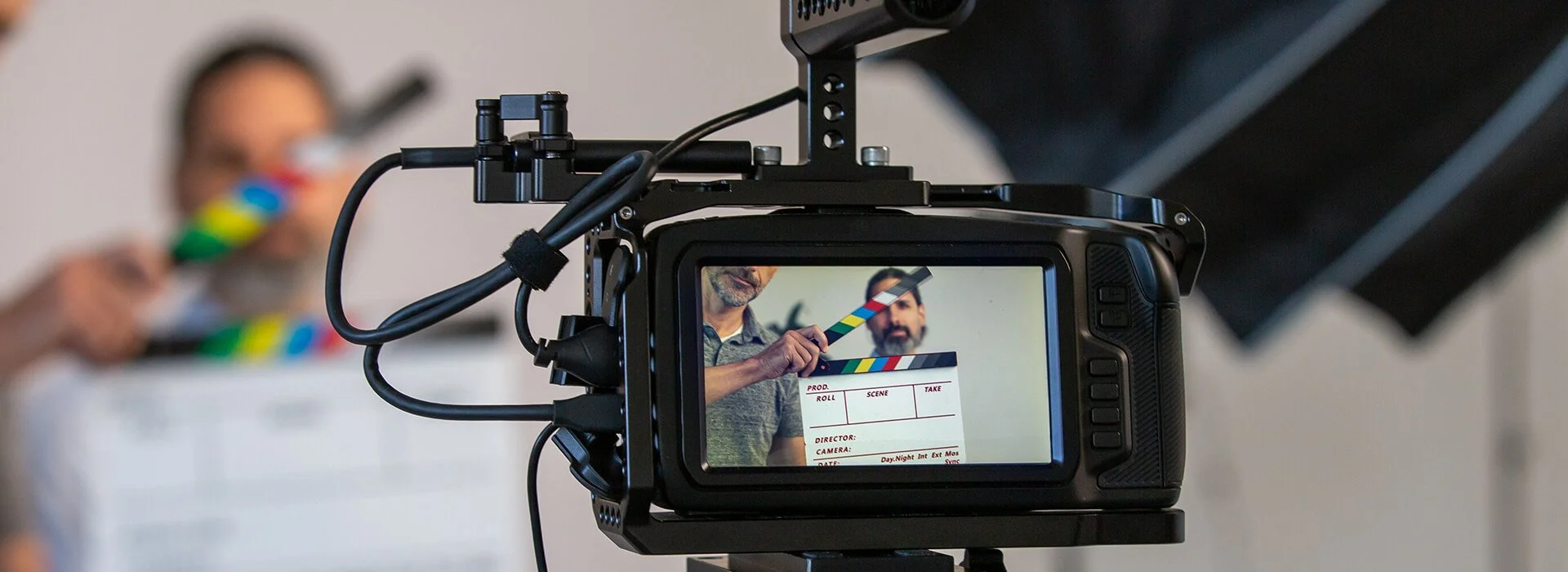
Good customer-proof filming depends on more than the final edit. Setup, pacing, interview handling, and room conditions all shape what the camera captures.
A useful distinction is this.
A testimonial video usually proves confidence.
A case study video usually proves change.
If the audience mainly needs reassurance, a testimonial may be enough. If the audience needs a clearer sense of what changed, why the decision made sense, and what the result looked like in practice, a case study is usually the stronger format.
The mistake is assuming one is always better. A short testimonial can be highly effective when the service is already understood and the buyer simply needs confidence. A case study becomes more valuable when the offer is more involved, the purchase carries more risk, or the story needs more shape to land properly.
Teams often begin by asking for a testimonial because it sounds simpler. Then they realise the content needs more context and narrative weight. At that point, they are already moving into case study territory whether they use that label or not.
| If the content need feels like this | The better fit is often | Why |
|---|---|---|
| we need a credible customer voice that supports what we already say | testimonial video | the viewer mainly needs reassurance, not a full narrative arc |
| we need to show what changed and why it mattered | case study video | the proof depends on context, sequence, and consequence |
| we want one customer story to support several commercial uses | case study-led shoot with testimonial cutdowns | this creates stronger source material for multiple edits and placements |
| we want the story to feel deeper and more human | documentary-style customer story | the added space for lived detail often improves realism and trust |
What makes customer proof believable on camera
The strongest customer proof is rarely the most polished. It is the most credible.
That usually starts with language. When a customer sounds like they are speaking in their own words, the material carries more weight. When the answer feels too refined, too cautious, or too obviously approved, the value drops.
Specificity matters for the same reason. Broad praise often feels pleasant but weak. Viewers are much more likely to trust a story that contains a real challenge, a visible change, or a detail that could only come from actual experience.
Believability also depends on the conditions in which the interview happens. If the contributor feels watched, self-conscious, over-directed, or boxed into approved language, that tension often survives the cut.
Often the strongest material appears later in the conversation, not at the beginning. Once people feel they have made it through the expected questions, they usually begin to speak more naturally. That is often the moment when better phrasing appears, or when it becomes worth gently re-asking one of the more important earlier questions.
Sometimes the adjustment is simple. If someone is nervous, removing extra colleagues from the room can change the atmosphere immediately. If standing feels too exposed, sitting down can make the conversation feel more grounded. If the contributor has clearly over-prepared, an unexpected follow-up once they are warmed up can produce a much more natural answer than the original planned response.
That kind of judgement is not a minor detail. It often decides whether the final piece feels managed or believable.
This is also why why being a good interviewer matters in video production is not a side issue. Interview quality affects comfort, specificity, confidence, and whether the contributor sounds like a person speaking or a person performing.
| If the proof feels like this | What the audience often assumes | What usually needs adjusting |
|---|---|---|
| clear, specific, and natural | the customer means it and the story holds up | very little, protect the natural wording and keep the edit disciplined |
| positive but vague | the outcome may be real, but the message lacks substance | questioning, prompting, and the level of detail being drawn out |
| formal, stiff, or overly approved | the company has managed the message too tightly | wording, contributor comfort, and the amount of control in the room |
| overly polished and emotionally flat | the production is doing more work than the story | editorial restraint, story choice, and the actual strength of the evidence |
Planning and production decisions that shape the outcome

Strong customer-proof content is shaped before filming, through better planning, clearer story choices, and stronger interview preparation.
The quality of a case study or testimonial video is often decided before filming starts.
The first planning question is not what shots you want. It is what the viewer needs to believe by the end. Once that is clear, the rest of the work becomes more disciplined. You can decide who should be featured, what kind of story is worth telling, how much context is needed, and what form of evidence matters most.
Choose the right story, not just the available customer
A willing customer is not always the right customer. The strongest stories usually have some form of movement in them. Something changed. Something was clarified. Something improved in a way that matters beyond the individual speaker.
Shape the interview around proof, not compliments
This is where many projects weaken. The questions are often too broad or too eager to extract endorsement. Better questions help the contributor describe what actually happened. That leads to stronger material and a more believable final cut.
It is also why how to use AI to generate better testimonial video questions can be useful at the planning stage. Used well, it helps teams think more clearly about what they need to draw out, not just what they want the customer to say.
Understand that filming simplicity can be misleading
These videos often look simple from the outside. One contributor. One location. One interview. A few supporting visuals. But simple-looking proof content still depends on setup, sound, room choice, pacing, contributor comfort, visual coverage, and enough editorial options to shape the story afterwards.
That is why short runtime does not equal short process.
If the practical planning question is how long it takes to film a case study or testimonial video, that deserves its own deeper answer. What matters here is the principle. Better planning leads to cleaner filming, stronger interviews, and more usable proof.
Treat interviewing as production craft
Interviewing is not just a way of collecting lines for the edit. It is part of the production craft. A good interviewer helps the contributor settle, think clearly, and move past the tension of saying the “right thing.”
This is where emotional intelligence matters more than many teams expect. Reading the room, spotting discomfort, knowing when to pause, knowing when to simplify, and knowing when to revisit an answer later are often what separate decent customer content from convincing customer content.
Plan for more than one outcome
A strong customer-proof shoot often creates more than one deliverable. A fuller case study cut can support the website or sales process. Shorter testimonial edits can support campaign use. Selected quotes can support proposals, social content, or sales follow-up. The value grows when the source material has enough shape to work in several ways.
| If planning is handled like this | What usually happens | What the stronger approach looks like |
|---|---|---|
| start with the desired shots | the video may look polished but prove very little | start with what the viewer needs to believe |
| choose any available happy client | the story may lack tension, clarity, or relevance | choose a customer whose experience carries useful proof |
| treat questions as prompts for compliments | answers stay broad and generic | use prompts that draw out lived detail, change, and consequence |
| assume a short final video means a simple shoot | time, comfort, and editorial needs get underestimated | allow properly for setup, room conditions, interviewing, and coverage |
The best case study and testimonial videos do not win because they feel more managed. They win because they leave less doubt behind.
That usually comes from a better story choice, better prompts, calmer interviewing, better room conditions, and editorial judgement strong enough to shape the material without stripping out the human presence that makes it convincing.
In other words, stronger proof, not just smoother presentation.
Got a customer story worth filming?
If you're planning a case study or testimonial shoot — or trying to work out whether a customer story has enough in it to be worth filming at all — that's exactly the kind of brief we can help shape. Sometimes the most useful thing is a short call before the production conversation even starts.
What to read next
The right next question usually depends on what's still feeling unsettled, story choice, planning, question design, or the way the interview is run. These are the most useful next reads in this guide.
| Article | Best for | Who it suits |
|---|---|---|
|
|
Understanding how much time a testimonial or case study shoot usually needs, including setup, interviewing, B-roll, and the practical realities that shape the schedule | Marketing teams, comms leads, and commercial stakeholders planning customer-proof content and wanting more realistic expectations around filming time |
| Understanding why customer proof still matters commercially, especially when buyers are comparing similar claims and need more than polished messaging to feel confident | Brands and marketing teams deciding whether case study content still deserves a meaningful place in modern marketing and sales activity | |
| Improving interview preparation by using AI to generate sharper prompts, stronger lines of enquiry, and questions that lead to more useful customer proof | Teams planning customer interviews who want better questions without drifting into generic or over-scripted answers | |
| Understanding how interviewer skill affects comfort, clarity, specificity, and the quality of the material captured on camera | Producers, marketers, founders, and brand teams who want stronger answers on camera and more believable final edits |