When Corporate Documentary Video Is the Right Format for a Complex Story
Last updated: March 25, 2026
Not every business story is suited to a short promotional video. When the brief involves a complex subject, multiple viewpoints, or a theme that cannot be reduced to one neat message, a standard corporate film can start to work against the material. It may be well produced, but still feel too compressed to carry the subject with enough clarity or credibility.
That is where corporate documentary video can be a better fit.
When documentary works better than a standard corporate video
A documentary approach makes sense when the subject needs room to breathe. That is often the case when a business is exploring change, tension, or a topic that different people experience in different ways.
In those situations, a standard promo can flatten the message. It tends to push everything toward one polished conclusion too early. A documentary gives you more space to let the audience hear different voices, understand the context, and arrive at the point with more confidence.
That was one of the strengths of this project with Freshworks and London School of Economics. The film explored changing workplace expectations through an interview-led structure, bringing together contributors from the UK, Europe, and the US. The value came from the range of views. Instead of relying on one spokesperson to explain a broad subject, the film let multiple perspectives build the argument.
Why the interview-led format mattered
This was not an observational documentary or a day-in-the-life film. It was built around interviews, shaped by a clear editorial theme, and structured carefully in the edit.
That distinction matters.
Interview-led documentary can work particularly well for businesses because it offers depth without losing control. You can gather insight from leadership, specialists, team members, or external contributors, then shape that material into something coherent and watchable.
It also suits subjects that are still evolving. In this case, the theme touched on changing expectations around work, generational influence, and the wider shift in how organisations think about workplace culture. That kind of subject benefits from range. It does not need a forced conclusion. It needs enough structure to hold different perspectives together.
Choose documentary when
the subject includes multiple credible viewpoints
the message would feel forced as a short promo
the audience needs nuance, not just positioning
the material can support both a full film and shorter cutdowns
What businesses often underestimate
The biggest misconception is usually not about filming quality. It is about the level of planning required to make this format work well.
A good interview-led documentary does not come together by accident. It depends on strong pre-production. That means choosing the right contributors, knowing what each interview needs to cover, understanding how those conversations will connect, and managing the schedule tightly enough that the final piece has shape before filming begins.
On this project, that discipline mattered even more because the film had a fixed cinema screening deadline. It also had to be prepared as a DCP for exhibition, which added another technical layer to delivery. That kind of workflow is manageable, but only when planning and project management are handled properly from the start.
That is often the difference between a documentary that feels considered and one that feels like a loose sequence of clips.
Why this format can have longer-term value
A longer documentary does not have to remain one long asset. It can be cut into shorter sections, shaped into topic-led edits, or reused as supporting content for different audiences and channels. The full film may be the centrepiece, but the material around it often has wider value.
That is one reason it is worth thinking long-term. Even if a company is not ready to commission a full documentary today, it can still benefit from capturing important footage early. Founding moments, leadership interviews, product milestones, and periods of change often become much more valuable over time. If they are recorded properly, they can support stronger storytelling later. If they are not captured, that opportunity is lost.
The aim is not polish for its own sake. It is to give a complex subject enough structure, realism, and editorial control to make it worth watching.
When a story is too layered for a standard promo, documentary can be the stronger choice.
Example project
Below is an example of an interview-led documentary created in collaboration with Freshworks and London School of Economics. As you watch it, the useful thing to notice is how multiple contributors are used to build one coherent argument without making the subject feel over-scripted.
Project summary
Produced in 2022 by DevilBoy Productions with Freshworks, AWS Marketplace, and the London School of Economics and Political Science, this interview-led documentary explored how changing generational expectations are affecting business and society. Premiered at Selfridges Cinema in London, the film brought together contributors from different regions and perspectives, then structured the subject across three episodes: The FOMO Reaction, The Contagion Effect, and Adapt or Die. The result was a broader, more layered look at influence, workplace change, and leadership than a standard promotional format would have allowed.
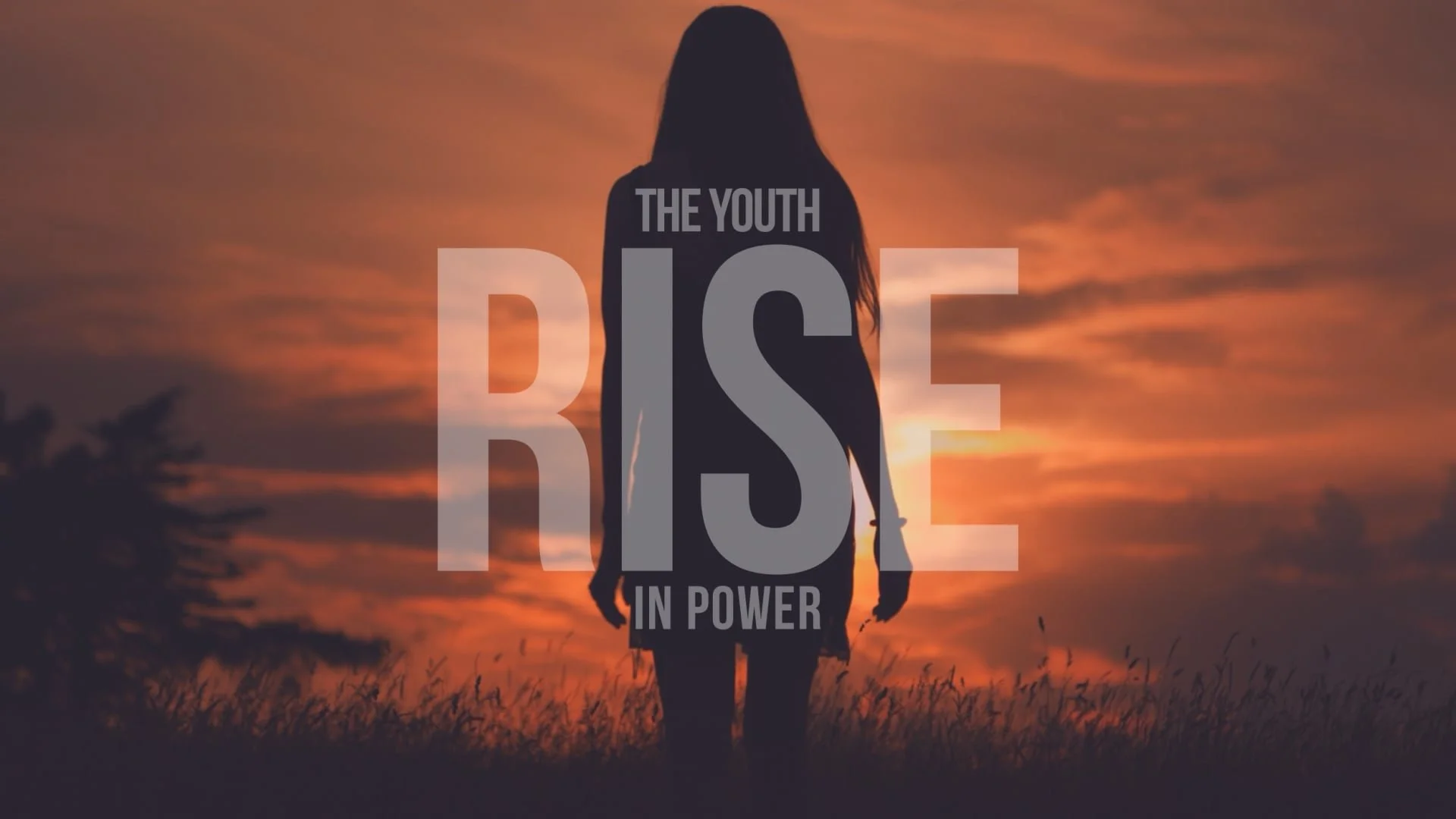
Interview-led documentary example showing how multiple contributors can build a more credible, nuanced business story.