Getting More Natural Answers in Corporate Video Interviews
Last updated: March 15, 2026
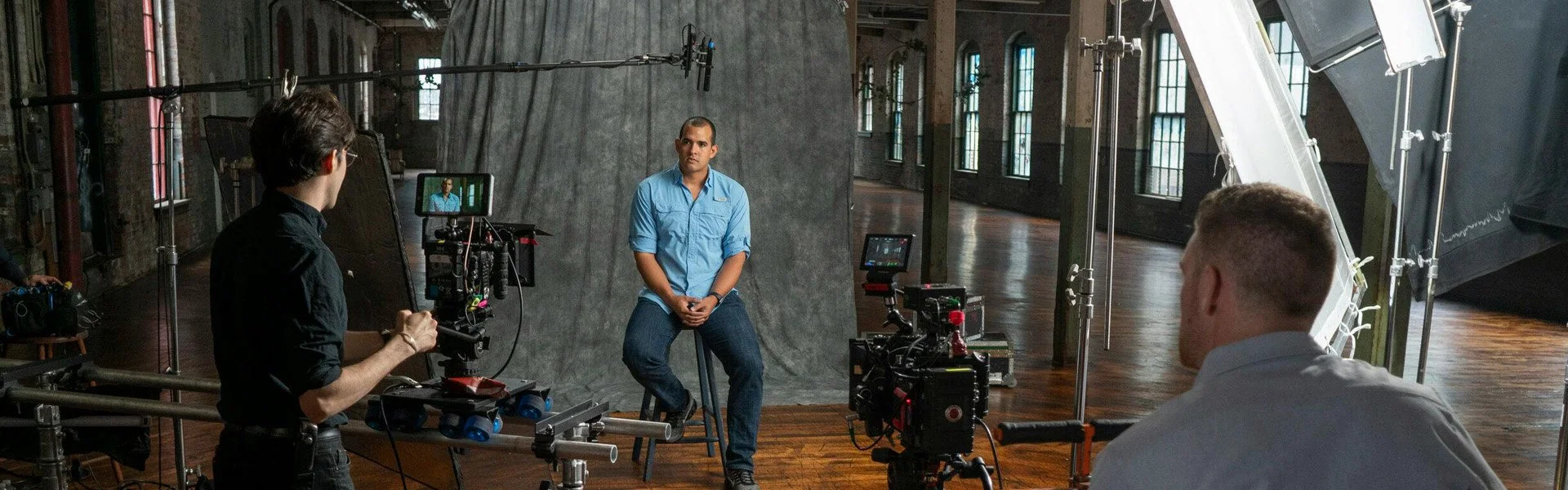
If a corporate interview feels stiff, the problem isn’t always the person on camera.
In many cases, the interview has been set up in a way that makes a natural answer less likely. The speaker feels watched, the wording feels over-managed, and the questions leave little room for thought. What you get back is often tidy, approved, and forgettable.
The stronger interviews tend to come from a different approach. They still have a clear purpose. They still respect the brief. But they make space for real answers, not just safe ones.
That’s where mindset matters.
As part of a wider corporate video strategy for businesses, interview quality often has less to do with charisma and more to do with preparation, direction, and the conditions around the conversation.
These three shifts can help business interviews feel more human without becoming loose, vague, or off-message. They’re useful whether you’re filming a founder interview, a client story, a leadership message, or internal brand content.
1. Stop chasing perfect wording and start looking for real meaning
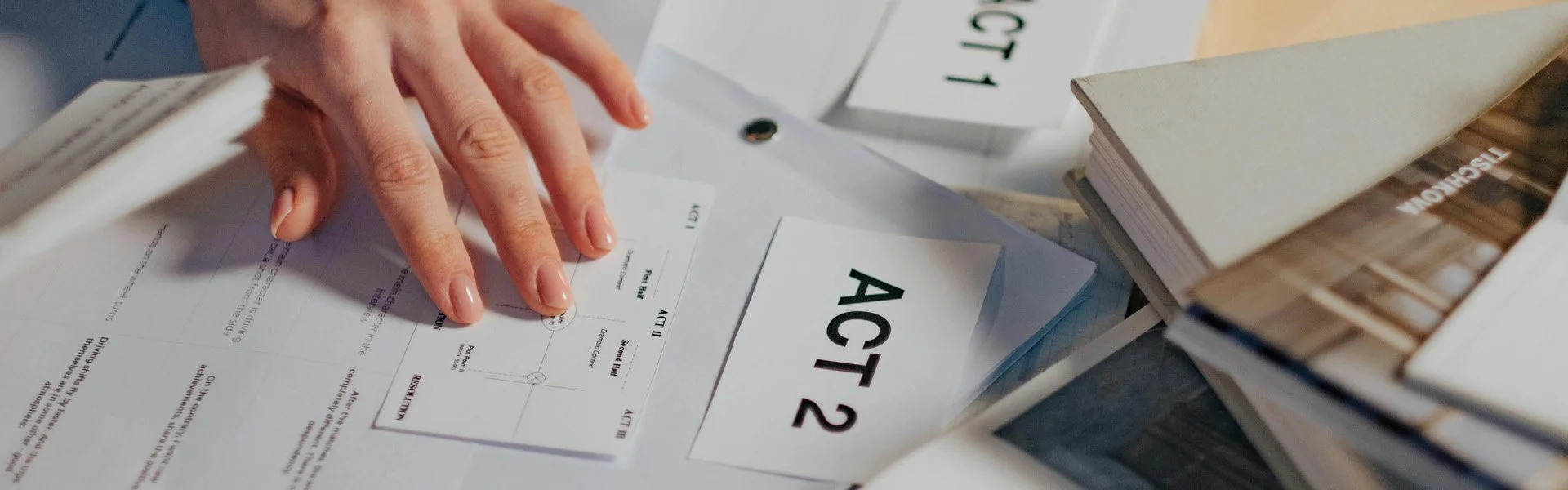
A lot of corporate interviews go wrong because everyone’s trying to protect the wording.
The speaker wants to sound polished. The team wants to stay on message. Someone in the room is worried about saying the wrong thing. So the interview turns into line management rather than conversation.
The problem is that viewers rarely connect with wording alone. They connect with meaning. They believe people who sound like they understand what they’re saying, not people who sound like they memorised it ten minutes earlier.
That doesn’t mean structure is the enemy. It means structure needs to support natural speech instead of replacing it.
Instead of building every question around a statement the speaker needs to repeat, it often helps to build questions around experience.
For example, instead of asking:
“What makes your service different?”
You may get a stronger answer from:
“What problem were clients bringing to you, and what changed once your team got involved?”
The second question gives the speaker something real to work with. It invites memory, context, and specificity. Those are the things that make an interview feel credible.
One practical way to improve this on a shoot is to prepare for themes, not finished lines.
Useful themes might include:
what changed
what was difficult at the start
what the team learned
what mattered to the client
what the result looked like in practice
That still keeps the interview focused. It just gives the speaker room to sound like themselves.
If the project is still too vague before filming, that usually shows up in the interviews first. A better brief often leads to better answers because it helps everyone agree on audience, message, and purpose before the camera is rolling which is exactly what a proper video production brief is there to settle
2. Stop treating the interview like a performance and start treating it like a guided conversation

Many people arrive on a filming day assuming they need to get it right in one go.
That belief creates tension straight away. They sit down thinking they’re about to be tested. Their attention goes into remembering lines, holding posture, and avoiding mistakes. The answer may still be usable, but it often loses warmth and rhythm.
A more useful mindset is simpler. The interview isn’t the finished product. It’s raw material for the finished product.
That change matters because it lowers the pressure. The speaker no longer has to deliver a perfect paragraph from start to finish. They just need to answer clearly enough for the editor to shape the strongest moments later.
This is also where the setup matters more than people think.
Small choices can make a big difference:
fewer people crowding the speaker
a calmer pace before the first take
clear reassurance that answers can be repeated
a director who listens before jumping into the next question
enough time for follow-up rather than racing through a checklist
In practice, many of the best lines come after the first answer. The first version may be safe. The second is often clearer. The third may be the one that finally sounds honest.
That’s one reason silence matters. If you leave a short pause after someone finishes, they’ll often continue, clarify, or say what they actually mean rather than what they thought they were supposed to say first.
3. Stop assuming authenticity is only about confidence and start shaping the conditions around it
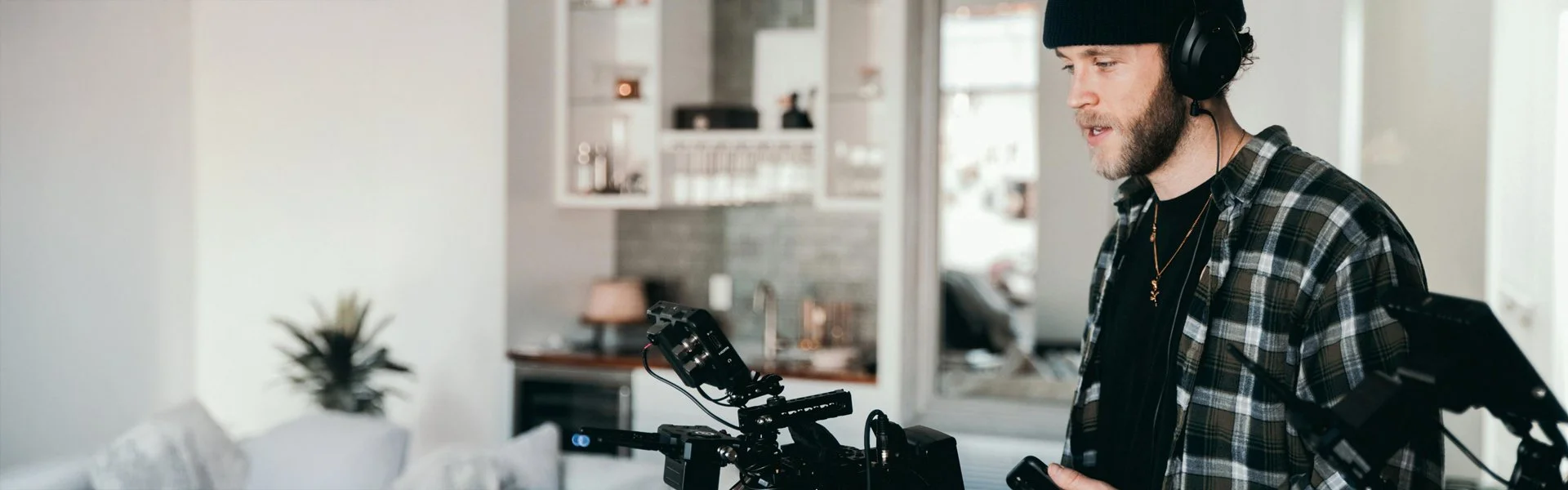
Confidence helps. Presence helps. A calm voice helps.
But in corporate interviews, those things aren’t the whole story. The wider setup often matters just as much.
If someone is being interviewed in a busy office with people walking past, phones going off, and colleagues half-watching from nearby desks, it can be much harder for them to settle into a thoughtful answer. They may feel self-conscious, interrupted, or slightly on show. Even if they know their subject well, the environment can keep the interview feeling flat.
Sometimes the better move isn’t to push the speaker harder. It’s to change the conditions around them.
That might mean:
using a quieter part of the building
dressing a room differently so it feels less corporate and more focused
reducing foot traffic and interruptions
hiring a separate space for the shoot if the usual environment isn’t helping
That can help for practical reasons, but it can also help creatively.
I’ve worked with clients who choose not to film interviews in their own offices at all. For every shoot, they hire a space that gives the piece a different feel. Part of that is visual variety. They don’t want every interview to look like the same boardroom conversation their competitors are already making. They want a setting that supports the tone of the story and gives the content a stronger identity.
That doesn’t mean every business video needs a styled location or a dramatic backdrop. In many cases, your own space is the right choice because it’s real, relevant, and tied to the work. But it’s worth thinking about it deliberately.
Ask:
does this location help the speaker relax?
does it support the tone of the interview?
does it make the video feel distinct enough for the brand?
does it help the audience focus on the person and the message?
A good location won’t rescue a weak interview. But the right environment can make it easier to get a stronger one.
What usually makes an interview sound less authentic
A lot of authenticity problems aren’t dramatic. They’re small habits that slowly flatten the answer.
| Interview habit | What it did well | Why it can go wrong | What to do instead |
|---|---|---|---|
| Over-scripted answers | Keeps wording safe and approved | Delivery becomes stiff and detached | Work from themes and examples, not full lines |
| Closed interview questions | Feels efficient and controlled | Leads to short, surface-level answers | Ask open questions that invite context and reflection |
| Jumping in too quickly | Keeps momentum moving | Cuts off the better second half of the answer | Leave a beat, nod, and let the thought continue |
| Too many people watching | Keeps stakeholders close to the process | Makes the speaker feel judged or managed | Keep the setup calm and reduce unnecessary presence |
| Default office locations | Feels convenient and familiar | Can look generic, distracting, or too exposed for the speaker | Choose a space that supports calm, clarity, and the right visual feel |
| Chasing polished language | Sounds formal and brand-safe | Removes personality and real-world detail | Prioritise clear meaning over corporate phrasing |
| Treating the first answer as final | Saves time on set | Often leaves the best version unsaid | Use calm follow-ups to reach a clearer second answer |
A better way to direct business interviews on the day
When the interview needs to feel natural, the director’s role isn’t just to ask questions. It’s to create the conditions where a useful answer can happen.
That often means:
explaining that the interview will be edited, so no one needs a perfect take
giving the speaker a clear sense of who the video is for
asking one question at a time
listening for meaning rather than exact phrasing
following up when something sounds real
re-asking a useful answer in a cleaner way if needed
This is where good interviewing and good production overlap. You’re helping the speaker feel safe enough to think clearly while still protecting the purpose of the piece.
What this looks like in a strong corporate video process
The best corporate interviews usually come from a chain of good decisions rather than a single trick.
That often includes:
a clear brief that sets the direction
a sensible question list that sets the tone
a calm filming setup that reduces pressure
the right location for the kind of answer you want
a good interviewer who listens properly
an experienced edit that shapes the strongest material into something concise and credible
That’s one reason project alignment matters before the shoot. When the team is clear on audience, tone, timeline, and what the content actually needs to do, the interview has a better chance of sounding focused without sounding forced.
Final takeaway
Authentic corporate interviews rarely come from telling people to relax.
They usually come from three better assumptions.
The interview doesn’t need perfect wording.
The speaker doesn’t need to perform a finished script.
And authenticity isn’t only about confidence. It’s also about the conditions around the conversation, including the room, the pace, the setup, and the way the interview is being directed.
Once that becomes the working mindset, the interview usually gets better for everyone involved. The speaker feels less trapped. The director listens more carefully. The edit has more to work with. And the finished film is more likely to sound like a real person talking about something that matters.